




Thank you for your submission — we've received your message and a member of the FedTech team will be in touch with you shortly.
 For GovernmentAccelerate mission outcomes with studios, accelerators, and SBIR pipelines
 For CorporationsScout, accelerate, and adopt emerging technology
 For Visionary FoundersBuild a company around vetted federal lab IP equity-free
 For StartupsWin first agency customers and Phase II contracts
 FedTech VentureMatchConnect deep tech ventures with aligned capital
 Technical & Business Assistance (TABA)Preferred TABA Provider for Army Phase I & II SBIR/STTR Awardees
 FedTech Applied AIAI-accelerated scouting, sourcing and diligence, run by our team

Technology Scouting
Lab and university technology, found, tested and built into companies.
We find technology in national lab and university listings, map the patents around it, and model what it would cost to make. Then we pair it with an entrepreneur and a coach, and match the company to open federal funding.
Tell us what you're trying to find
We'll follow up within two business days.


Across two NASA task orders
The method
Six steps, from a lab listing to a funded company.
Clients can start at any step. Each one ends in something you can check: a scored list, a cost model, a patent map, a cohort, a team or a funding match.

01 · Find
Where is the technology that solves this problem?
We read lab and university listings, patents, papers and company filings. We set aside records with no recent activity, then score what remains against a written rubric. A patent counts for more than a press mention.
You get: A scored list of candidates and the reasoning behind each score.
02 · Price
What will it cost to make, and does that beat what's on the market?
We build a cost model with a cited source for every input: capital cost, operating cost, cost per unit and after-tax cash flow. Then we show how far the answer moves as each input changes. Best for physical, capital-heavy technology.
You get: A cost model with its assumptions written out for a technical reviewer.
03 · Protect
Which patents surround this technology, and where is there room?
We break the invention into searchable features and run the prior-art and freedom-to-operate searches separately. Every patent number is checked against a live patent record.
You get: A map of the patent landscape and the open space, for your patent counsel to review.
04 · Select
Which technologies make the cut?
Candidates pass through fixed gates, and a separate review challenges every score before it stands. Each in, out and backup decision keeps the evidence behind it.
You get: A final cohort, its backups and the reason for each call.
05 · Team
Who should build the company?
We start from what each inventor wants, match an entrepreneur and a coach to that, and write down why the pairing beat the alternatives.
You get: A proposed team for each technology, with the reasoning.
06 · Fund
Which federal funding fits?
We match the company to open federal solicitations, help draft from the company's own documents, and check the draft against each written rule. The company submits.
You get: Matched solicitations and a draft checked against the rules.
Our work
Recent work for NASA.
Two task orders we delivered under NASA's NOIS3 contract, and what came of them.
NASA Human Research Program · NOIS3 task order
Can we track pressure inside an astronaut's skull, and can a drug help protect their eyes?
We screened medical devices and GLP-1 drugs against the program's needs, scored them, and narrowed 153 candidates to 12 recommendations.
What came of it
Two briefings to NASA's Chief Medical Officer
Two procurement discussions with device makers, and a monitoring plan widened from one pressure reading to several body systems.
Bureau of Reclamation, through NASA · NOIS3 task order
How do you watch for corrosion inside the steel pipes that feed a hydropower plant?
We scanned 90 sensing technologies, scored 38 against the real pipe conditions, profiled 22 in depth and named 18 finalists.
What came of it
A sensor plan for every pipe
Internal sensors on the buried run, external sensors inside the plant, and three procurement discussions with sensor makers.
Have a problem like one of these? Tell us what you're trying to find.
Start a project like these
Who we work with
Where each kind of client usually starts.
Bring us a problem. We'll show you the evidence behind every candidate.

Government agencies
Find technology for a mission need, and show how you chose it. Starts with scouting, then selection.

Corporate teams
Find outside technology for a problem your team already has. Starts with scouting, the patent landscape and a cost model.

Investors
Check the technology, the patents and the cost to make it before you commit. Starts with the cost model and the patent landscape.

Accelerators and programs
Fill a cohort with technology worth building on, and the founders to build it. Starts with scouting, selection and team formation.
Our standards
How we keep the work checkable.

Every fact has a source
Every fact traces to a person, a document or a public record. When we can't find something, the report says so.

Every score gets challenged
A separate review re-reads the evidence behind each score before it counts.

Same inputs, same answer
Rankings and cost models are calculated from recorded scores and stated inputs, so anyone can rerun them.

You make the call
Our reports show the evidence behind every recommendation, and the decision stays with you. Patent work is technical documentation for your counsel, not a legal opinion.
Our team
The people who do the work.
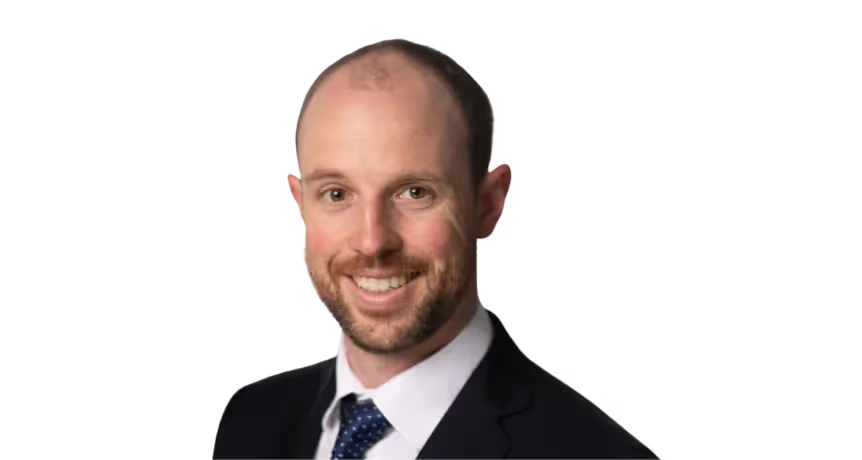
Thomas Shiell
Director, Technology and Commercialization Strategy
Leads FedTech's technology and commercialization strategy team and runs technology sourcing for the venture studio. PhD in physics and materials science; former research scientist at the Carnegie Institution for Science.
Connect on LinkedIn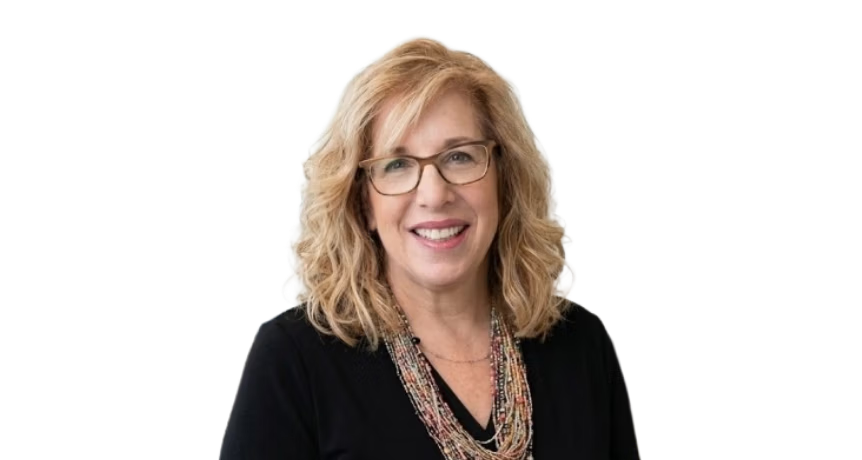
Iris Briancon
Head of Technology Transfer & Commercialization
Leads technology transfer and commercialization, building the partnerships that move federal technology into real use. Previously held leadership roles at MITRE.
Connect on LinkedIn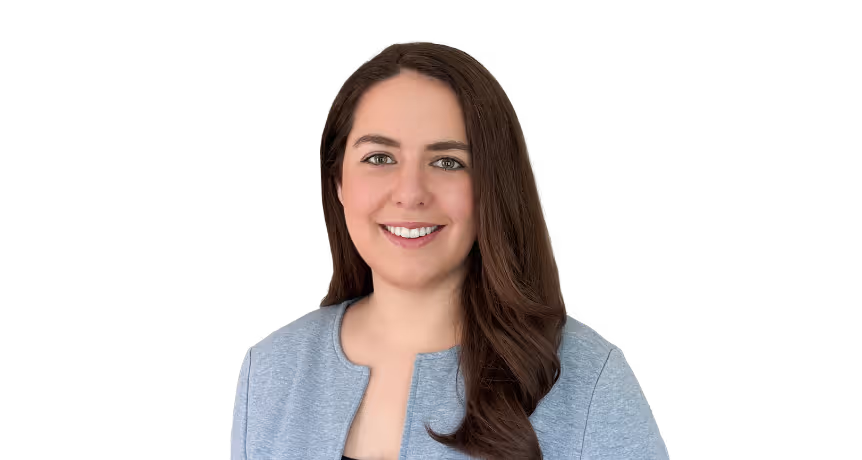
Ellen Erickson
Senior Manager, Venture Relations
Leads alumni and venture relations and runs programs for the companies we work with. Sits on the SXSW Pitch Advisory Board.
Connect on LinkedIn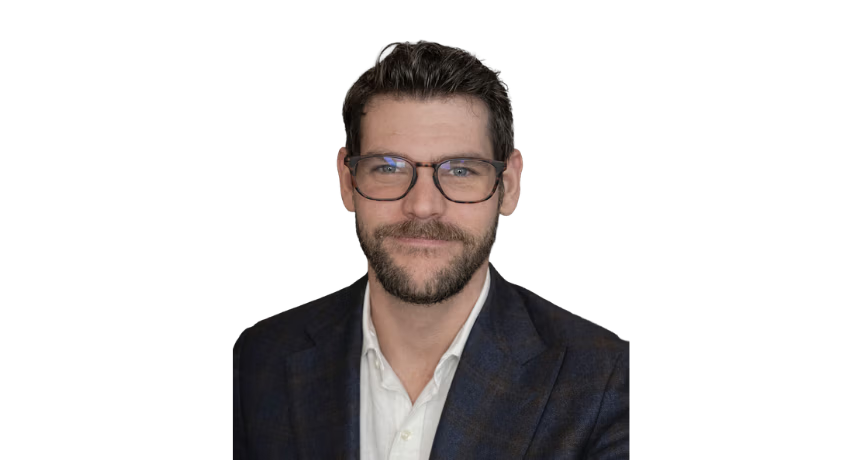
Harrison Rudd
Technology & Venture Consultant
Leads technical diligence: technology landscapes, scoring frameworks and scientific diligence reports. PhD-trained molecular and cellular biologist.
Connect on LinkedIn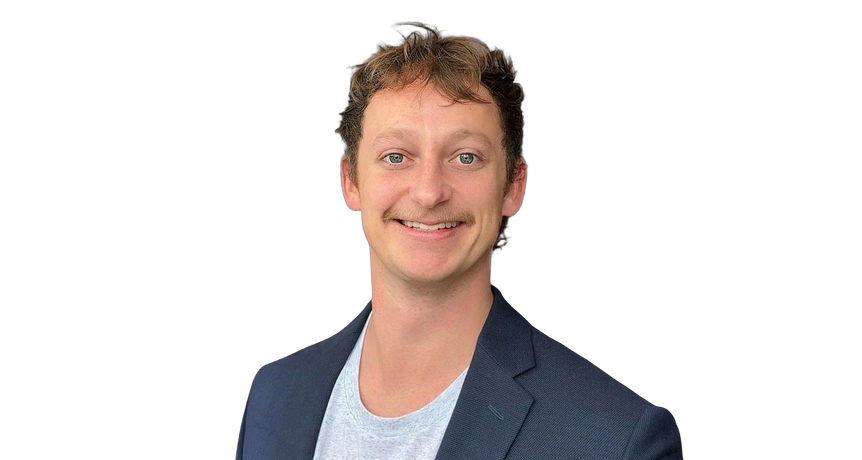
Brandon Byers
Technology & Venture Consultant
Finds early-stage technology and runs diligence on it for FedTech programs. DSc in civil engineering from ETH Zurich.
Connect on LinkedInHave a technology question?
Tell us what you're working on and we'll point you to the right person.
Talk to us

Tell us what you're trying to find.
A technology area, a mission need, a patent you're weighing, or a cohort to fill.
Thanks. We'll be in touch within two business days.